3 min readWomen's Training & Hormones
PCOS, insulin resistance, and lifting: a practical protocol
PCOS is at its core a metabolic condition, and insulin resistance sits at the centre of it. Here is the practical, evidence-based protocol — lifting, nutrition and the markers to track — that targets the root, not just the symptoms.
Part 5 of 8This article is part of the Women's Training & Hormones guidePolycystic ovary syndrome is usually described in terms of its reproductive symptoms — irregular periods, acne, unwanted hair — but at its root it is a metabolic condition. Insulin resistance is present in a large majority of women with PCOS, lean and higher-weight alike, and it drives much of the hormonal cascade. That reframing is empowering, because insulin resistance responds strongly to two things you control: how you train and how you eat.
Why insulin resistance sits at the centre
In PCOS, cells respond poorly to insulin, so the pancreas produces more of it. High circulating insulin pushes the ovaries to make more androgens (male-pattern hormones), which drives the irregular cycles, acne and hair changes — and simultaneously makes fat storage easier and weight loss harder. Break the insulin-resistance link and you weaken the whole chain. This is why the most effective PCOS interventions target insulin, not just the symptoms downstream of it.
Lifting is a frontline treatment, not an afterthought
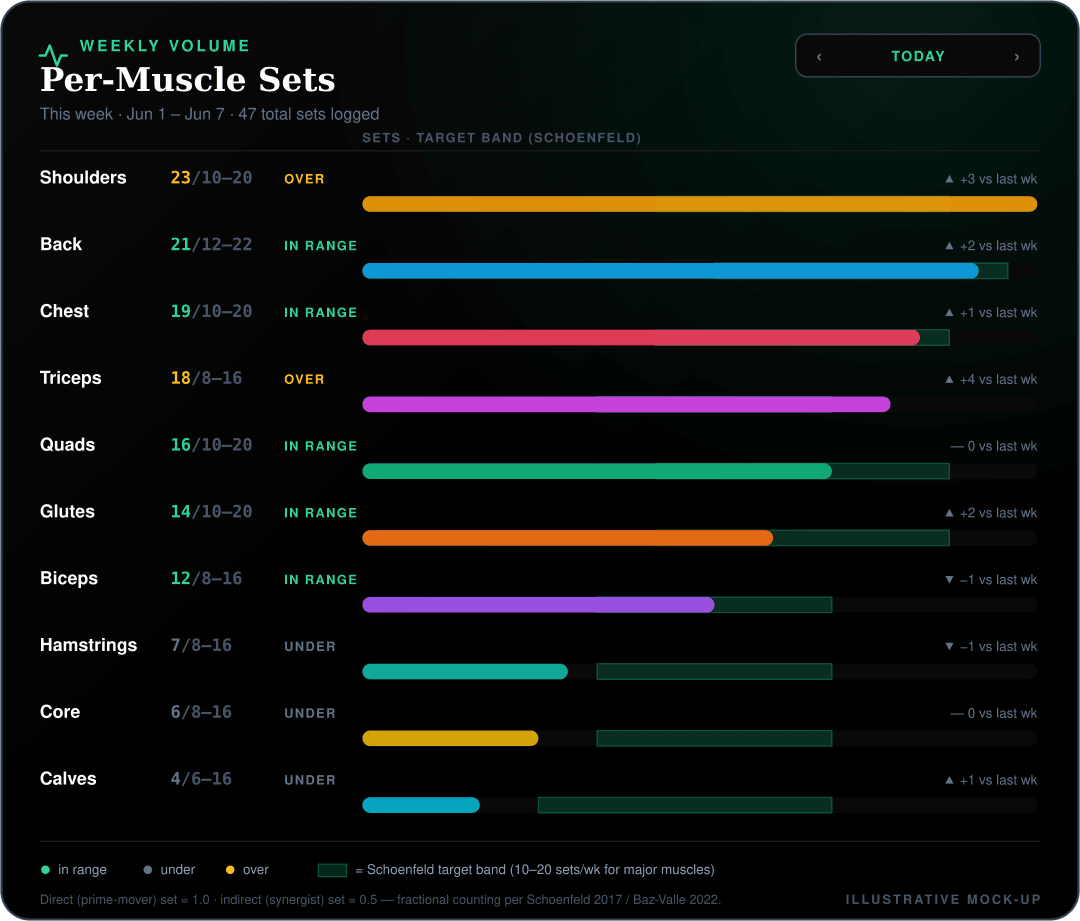
Resistance training is one of the most effective tools for improving insulin sensitivity, because muscle is your largest glucose sink — more muscle means more places to park blood sugar without high insulin. For women with PCOS this is doubly valuable: it improves the metabolic root and builds lean mass that raises resting metabolic rate. The practical protocol is unglamorous and effective: full-body resistance training two to four times a week, progressively loaded, hitting the major muscle groups. Consistency over months is what moves insulin sensitivity.
Add zone-2 cardio for compounding benefit
Resistance training does the heavy lifting, but regular aerobic exercise adds an independent improvement in insulin sensitivity and cardiovascular health. A mix of lifting and zone-2 cardio, rather than either alone, gives the fullest metabolic benefit — and neither needs to be punishing to work.
The nutrition that targets insulin
Eating for PCOS is eating for insulin sensitivity. Prioritise protein (which is satiating and helps preserve muscle), plenty of fibre, and lower-glycaemic carbohydrates over refined starch and sugar to blunt the glucose-and-insulin spikes. Modest weight loss where relevant — even 5 to 10% — can meaningfully improve insulin sensitivity, restore more regular cycles and reduce androgen symptoms. The aim is a sustainable pattern that keeps insulin low, not an extreme diet.
The markers to track
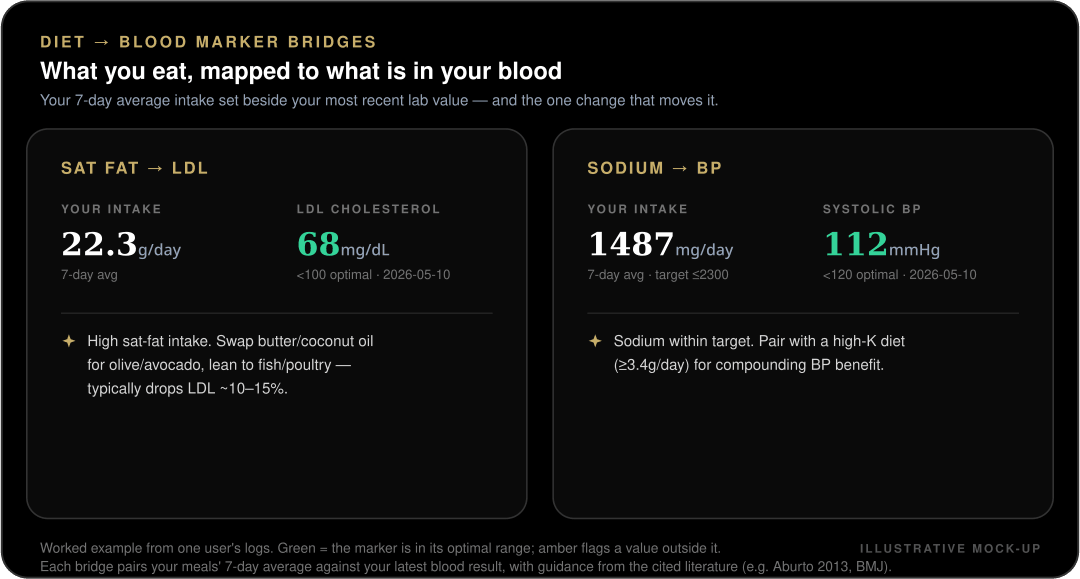
Because PCOS is metabolic, the numbers that tell you it is improving are metabolic: fasting insulin and HOMA-IR (the direct insulin-resistance measures), HbA1c and fasting glucose, a lipid panel, and androgens such as free testosterone where relevant. Watching these over time shows whether the training and nutrition are working at the root, rather than judging progress by symptoms alone — which lag and fluctuate.
How Misi runs the protocol
Misi ties the whole protocol together: it tracks weekly resistance-training volume so lifting stays consistent, builds the bridge from carbohydrate quality to your HOMA-IR, scales high-protein, high-fibre, lower-glycaemic meals, and parses fasting insulin, HbA1c and androgens from your labs to show the metabolic root improving over time. Instead of chasing symptoms, you get to watch the insulin resistance beneath them respond.
PCOS is a metabolic condition wearing reproductive symptoms. Target the insulin resistance at its root — lift, eat for stable insulin, track the metabolic markers — and the rest of the chain loosens with it.
This is general educational information, not medical advice. PCOS diagnosis and management — including whether medication such as metformin or other treatments are appropriate — belong with your doctor. Use this protocol as a complement to medical care, not a replacement for it.
Ready to put this into practice?
Misi BioLabs turns your bloods into a meal plan, training block and AI coaching — in one place.
Start freeFree tools
- PhenoAge Calculator — Biological age from a standard blood panel (Levine 2018).
- Biological Age Calculator — How fast are you really ageing? Nine blood markers answer it — no quiz.
- VO2max Calculator — Cooper 12-minute test → VO2max + fitness age + mortality hazard.